Housing and Accessibility: Designing Homes for All Abilities
Housing is a basic human need that everyone should have access to. However, for individuals with disabilities, finding a suitable home can be a challenge. Many homes are not designed to accommodate their specific needs, making it difficult for them to live independently and comfortably. As the population ages, the demand for accessible housing will continue to grow. That’s why it’s crucial for homes to be designed with accessibility in mind. In this article, we will explore how to design homes for all abilities and the importance of housing accessibility.
The Importance of Housing Accessibility
Accessibility in housing is more than just a matter of convenience; it is a human right. The United Nations Convention on the Rights of Persons with Disabilities recognizes the right of persons with disabilities to live independently and be included in the community. This means that housing must be designed to be accessible and barrier-free for individuals with disabilities. Furthermore, when homes are accessible, it not only benefits the individual but also their families and caregivers. It allows individuals with disabilities to live with dignity and independence, promoting their physical and mental well-being.
Designing Homes for All Abilities
Open Floor Plans
One of the key principles of accessible housing is an open floor plan. This design eliminates barriers such as narrow doorways and hallways, making it easier for individuals with mobility aids to move around. It also makes it easier for caregivers to assist individuals with disabilities. Additionally, an open floor plan allows for better natural light and ventilation, creating a more comfortable living space for all abilities.
Wide Doorways
Standard doorways are not wide enough to accommodate mobility aids such as wheelchairs and walkers. Therefore, when designing a home for accessibility, wide doorways should be a priority. The recommended width for doorways is 36 inches. This ensures that individuals with disabilities can easily maneuver through them without any obstacles.
Zero-Step Entry
Steps can be a significant barrier for individuals with mobility impairments. That’s why homes should be designed with a zero-step entry. This means that there are no steps leading into the home, making it accessible for wheelchair users and those with limited mobility. Installing a ramp can also be a great alternative for individuals who have difficulty climbing stairs.
Accessible Bathrooms
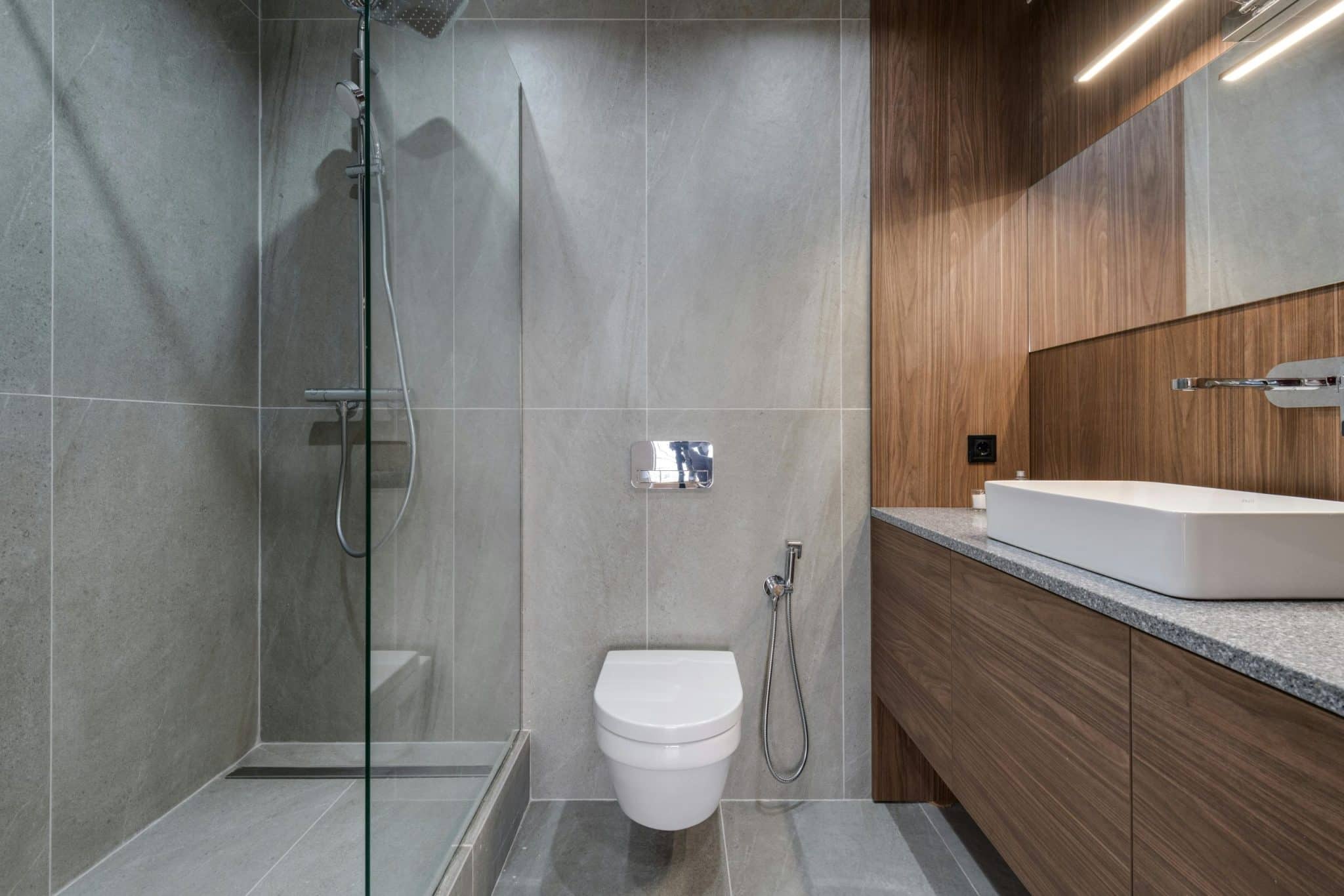
Bathrooms are one of the most critical areas in a home that must be designed with accessibility in mind. Some of the essential features to consider include a roll-in shower, grab bars, and a shower seat. These features make it easier for individuals with mobility issues to use the bathroom independently. Additionally, installing faucets and controls at a lower level can also make the bathroom more accessible for individuals in wheelchairs.
Smart Home Technology
Smart home technology can significantly benefit individuals with disabilities. These devices can be controlled with a smartphone or voice commands, making it easier for individuals with mobility impairments to operate them. Some examples of smart home technology include voice-controlled lights, automatic blinds, and smart thermostats. These features not only make a home more accessible but also enhance convenience for individuals with disabilities.
Affordability
Accessibility should not come at a high cost. Homes should be affordable for all, including individuals with disabilities. Governments and policymakers must prioritize building accessible homes and providing financial assistance to make them affordable. This will ensure that individuals with disabilities have access to suitable housing options that meet their needs and budget.
Incorporating Universal Design
Universal design is a design approach that aims to create products and environments that are accessible to everyone, regardless of their abilities. When designing homes for all abilities, incorporating universal design principles is essential. Some examples include lever door handles instead of doorknobs, rocker-style light switches, and non-slip flooring. These features benefit not only individuals with disabilities but also children, older adults, and individuals with temporary injuries.
Conclusion
In conclusion, the importance of housing accessibility cannot be overstated. Everyone should have the opportunity to live in a home that meets their needs and allows them to live with dignity and independence. By incorporating features such as open floor plans, wide doorways, and accessible bathrooms, we can create homes that are suitable for individuals of all abilities. Governments, policymakers, and architects must work together to make accessibility a top priority when designing homes, ensuring that everyone has access to suitable and affordable housing options.