The Psychology of Product Packaging: How Design Influences Purchases
Packaging is an integral part of any product. Whether it’s food, beauty products, or household items, the way a product is packaged can greatly influence a consumer’s purchasing decision. In today’s competitive market, companies are constantly looking for ways to stand out and attract consumers. They spend millions on product design and packaging to make their products stand out on the shelves. But have you ever wondered why certain products catch your eye more than others? The psychology of product packaging plays a significant role in influencing consumer behavior and ultimately, purchases.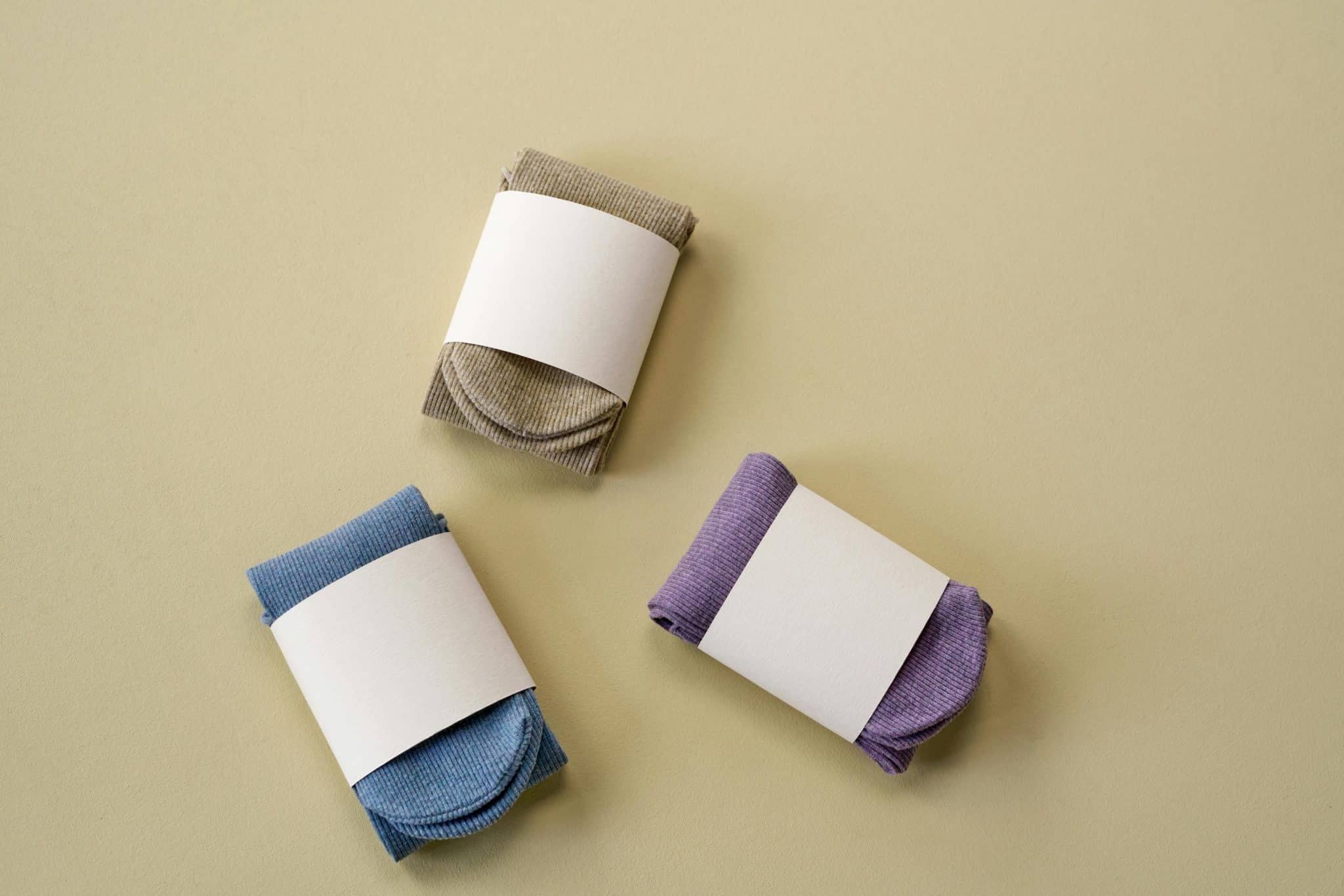
The Power of First Impressions
In a world where consumers are bombarded with countless options for every product, packaging is often the first point of contact between a consumer and a product. As the saying goes, “first impressions are everything.” The initial visual impact of a product’s packaging can make or break a sale. If a product’s packaging is visually appealing, it can catch a consumer’s attention and entice them to pick it up and examine it further. On the other hand, bland or unappealing packaging can easily be overlooked and forgotten, no matter how great the product inside may be.
The Role of Design in Packaging Psychology
Design plays a crucial role in the psychology of product packaging. It’s not just about aesthetics; it’s about understanding consumer behavior and using that knowledge to create packaging that will appeal to them. There are several elements of design that can influence a consumer’s perception of a product.
Colors
Color is one of the most influential factors in the psychology of product packaging. Different colors evoke different emotions and can convey specific messages to consumers. For example, bright and bold colors like red and yellow can grab a consumer’s attention and convey energy and excitement. On the other hand, pastel colors like baby blue and soft pink can evoke feelings of calm and tranquility. Companies often use color psychology to create packaging that aligns with their brand and the desired perception of their product.
Typography
The font and typography used in product packaging can also influence consumer behavior. Bold and clean fonts can portray a sense of modernity and luxury, while cursive and script fonts can give a more elegant and traditional feel. The font size and style chosen can also impact how easily consumers can read and understand the information on the packaging.
Graphics and Images
Graphics and images can play a significant role in making a product stand out on the shelves. They can be used to showcase the product’s benefits, ingredients, or usage. High-quality images can also convey a sense of quality and value, making a product more attractive to consumers.
The Subconscious Influence of Packaging
The psychology of product packaging goes beyond just the visual impact. It also subconsciously influences consumer behavior in several ways.
Brand Recognition
Effective packaging design can help establish a brand identity and make it easily recognizable to consumers. When a product’s packaging remains consistent and familiar over time, consumers will associate it with the same level of quality and trust. This can result in brand loyalty and frequent purchases.
Familiarity and Comfort
Many consumers are drawn to products that they are familiar with and have used before. Familiar packaging can evoke a sense of comfort and trust. For example, Coca-Cola’s iconic red and white packaging has created a sense of familiarity and comfort for consumers, making them more likely to continue purchasing their products.
Perceived Value
Packaging can also have a significant impact on the perceived value of a product. Luxury brands often use high-quality and luxurious packaging to convey a sense of luxury and exclusivity to their products. This can influence consumers to believe that the product is of higher quality and worth the higher price tag.
The Future of Packaging: Sustainability
As consumers become more environmentally conscious, the sustainability of packaging has become a crucial factor in their purchasing decisions. Brands that use eco-friendly and sustainable packaging are often perceived positively by consumers, leading them to choose these products over others.
The Psychology of Unboxing
With the rise of e-commerce, the packaging experience has become an essential part of a product’s appeal. The unboxing process can create a sense of excitement and anticipation for consumers, making them more likely to share their experience on social media and recommend the product to others.
In conclusion, the psychology of product packaging is a powerful tool that companies use to influence consumer behavior and drive sales. From design and colors to familiar packaging and sustainability, every element of packaging is carefully planned to create a lasting impression on consumers. As consumers continue to become more conscious of the impact of packaging on the environment, companies will have to adapt and find new ways to create packaging that is not only visually appealing but also sustainable.